Supporting Families who Foster/Adopt

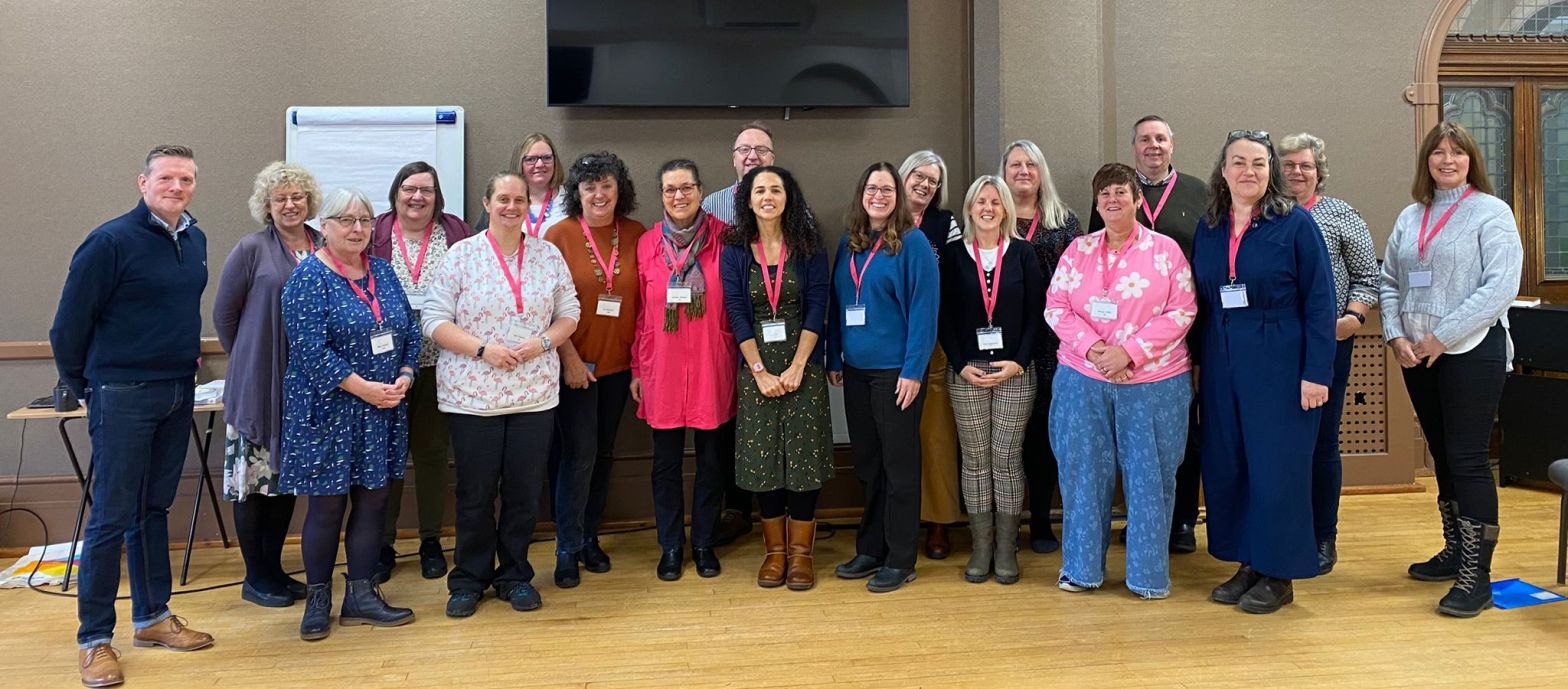
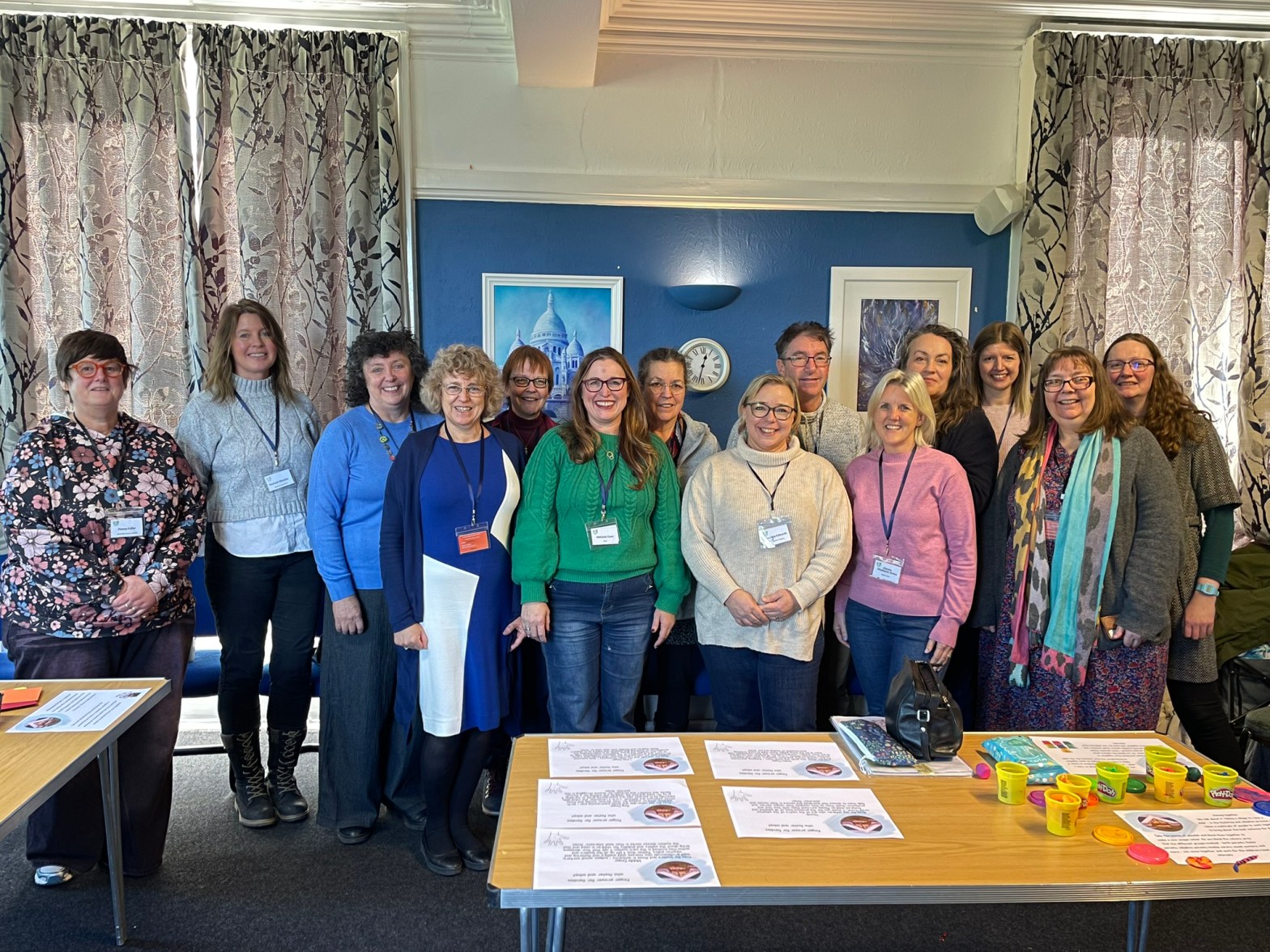
November 2025. Shallowford House Conference Centre.

The conference was beautifully facilitated by Joy and Rosie, co-leads of Creative Calm https://www.facebook.com/p/Creative-Calm-61576083088661/ sharing their expertise and lived experience as foster and adoptive parents.

Jackie Davies, a Methodist local church worker and adoptive parent lead our times of prayerful reflection.

107 children come into care every day (bearing in mind that the threshold for this is very high) this statistic that framed our time together. Realistically, most churches will have someone with personal or close connection to current or historic experience of being part of families that include fostered or adopted children.

Trauma has lasting impact on behaviour, relationships, emotions, learning, focus, long-term future outcomes. Looked after children have experienced trauma and many are neurodiverse. Exploring with parents and carers what each child needs to feel safe in the context will help and being aware of their stress responses. Always remember that we do not know the child’s story and need to ask open questions to find out how we can make church and church activities accessible for each child, and what it would be helpful for us to know as we seek to serve them.

Churches can offer support through growing whole congregation awareness and understanding (training, sermons etc), giving practical support (meals, vouchers for days out with children, self-care for parents etc), adjusting language to reflect that not all families are biological, praying and above all through being open to adjusting and changing how they do church. Churches can be a key part of ‘the village’ supporting families raising fostered and adopted children.

Home for Good and Safe Families have merged – safe families helping churches engage with vulnerable families to provide support to help prevent children going into care https://homeforgood.org.uk TLG also working in this space https://www.tlg.org.uk/your-church

Trauma Informed Churches – helpful organisation https://www.traumainformedchurches.org

Children’s Ministry Network recognised the role they can play in sharing the wider message that these families exist, will be in your church and need appropriate support and welcome – bringing adopting and fostering into conversation of church life.

Working Together: Smarter not Harder

Arriving in Northumberland to the most glorious sunshine, I was looking forward to the theme of our time together, ‘Working Together: Smarter Not Harder’. CMN represents and achieves many good things through working together and I know we are all keen to see how we can develop this further.

During our time together each denomination and organisation had a slot to share an update. Hearing about the joys, challenges and new initiatives from everyone reminded us that our heart is mission. It helps us to pray, learn and share resources together. We also had time built in for our working parties to meet.

Our first input was from Catherine Simpson, Educational Chaplaincy Enabler, Diocese of Durham. Working with our schools is to be encouraged in the small and the big ways. Shared models of funding for chaplaincy roles, the value of education, journeying with both the children and the teachers, and churches supporting schools were all points that Catherine guided us through. Her enthusiasm shone through as she encouraged us to reflect on the significance of our own school memories.

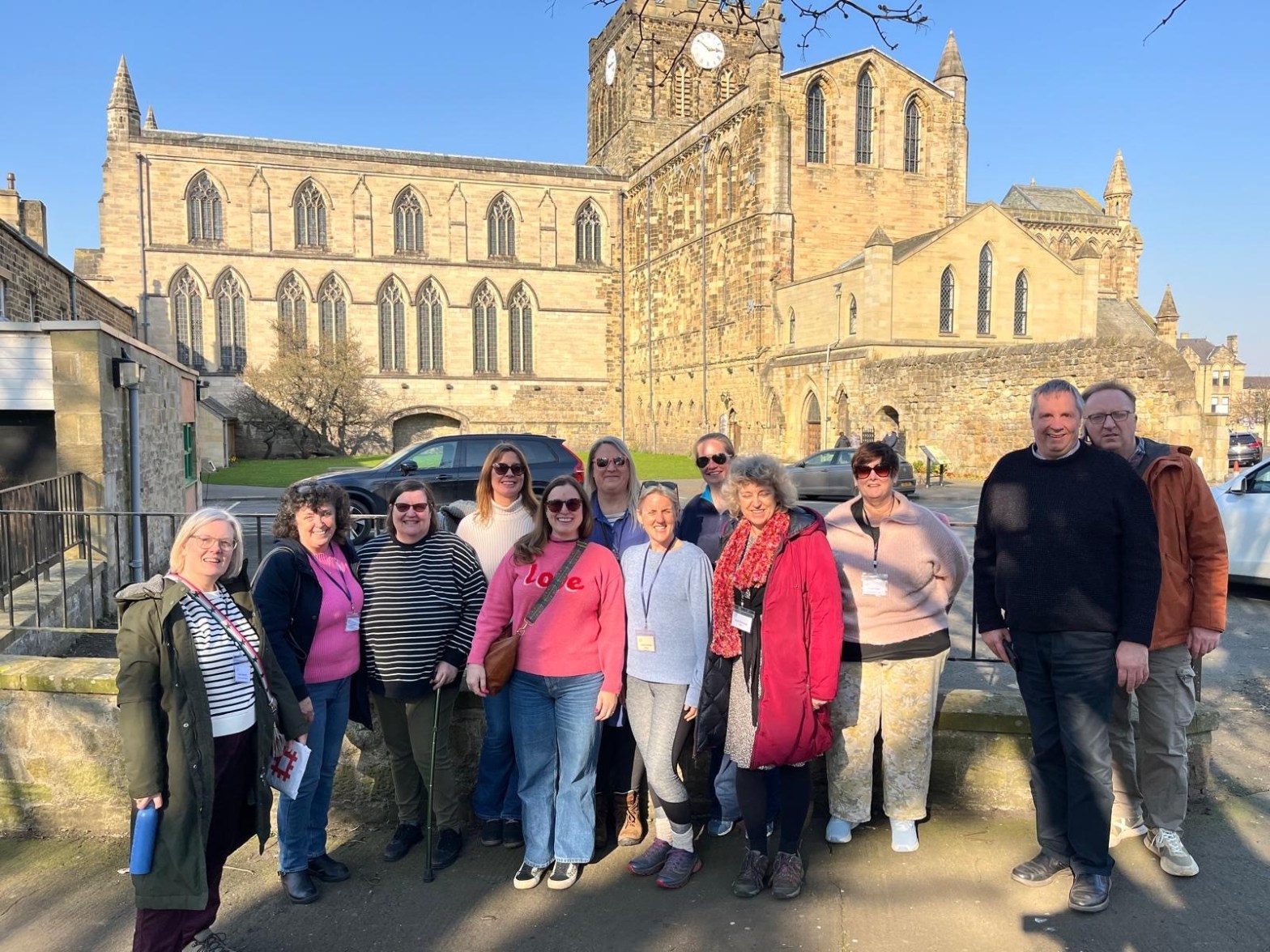
The next day our first session was presented by two leaders of Hexham Holiday Club. This began over 50 years ago and is now a wonderful story of a summer holiday club, and a year long calendar of events supported in a variety of ways by every church in Hexham. The outreach to the town, the development of young leaders and the family follow-up to this event is remarkable. This project has grown over the years into churches and the Bible Society working together, and perhaps its greatest witness is the unity it displays, in spite of the variety of theological views and traditions held by the different churches. In the afternoon we were able to visit Hexham Abbey and met with the Community Outreach Lead and Rector there. They spoke of the desire to honour the past of this remarkable building in the centre of this market town, whilst moving forward where God is leading to serve their community. Toddler Praise, the chorister pathways, school visits and the welcoming space provided were just examples of this in action. The theme of unity through schools, churches and community working together were naturally woven through all we heard. Clearly the geography of the town plays into some of these strengths, but it was inspiring to hear the stories of Hexham and the practicalities that we could all draw from this.

On our final day we focused on understanding how we and individuals work similarly and differently to one another, and how the recognition of this (or lack of!) can impact ministry. Peter (Church of Ireland) shared with us his PHD research on the dominant types of children and youth leaders, and the contrast this is with the general population, and therefore the children in the groups. Although we are all familiar with personality types, this is often used in a team settings and applying it to look at children’s and youth leaders was a helpful and interesting insight.

As part of Churches Together in Britain & Ireland, at our CMN business meeting we are reminded of the work that comes out of our Network Conferences. The Children’s Essentials and Family & Intergen Essentials Training (that is close to completion!), Intergenerate UK, School Visit Project, our website and our history with European Conference on Christian Education which is online this June and will meet in person in Geneva in June 2026.

As we have so much to take back to our varied settings, I look forward to returning to our next CMN Conference at Shallowford House in the autumn to look at the growing and essential topic of fostering and children in care, and the role of the church.

Creating safe and healthy church cultures

As our media fills up with stories of abuse and coverups within religious organisations, it was very timely that children and family ministry denominational leaders met to discuss ‘Safeguarding’ at the Children’s Ministry Network Conference November gathering at High Leigh Conference centre.

Justin Humphreys, CEO of thirtyone:eight, led us through the thorny landscape of spiritual abuse (a form of emotional and psychological abuse characterised by a systematic pattern of coercive and controlling behaviour in a religious context), and how we can move from fear to empowerment when dealing with safeguarding matters. As we dissected ‘what went wrong’ in a variety of case studies, we considered that better outcomes are possible when we, as leaders, are attentive to our own ‘dark side’ and temptations, as well as others, allowing the Holy Spirit to work in and through us. Healthy leaders need healthy accountability, humility, vulnerability and compassion. We need to model a leadership that values people more than reputation. It’s a tall order, but that’s what Jesus did!

We should view our safeguarding practice as part of our hospitality, as we seek to welcome the stranger, children and young people into our Christ-centred communities.

So how do we build safer, healthier culture and systems? We were offered 6 top tips:

  1. Listen well to accounts of past events and lived experiences when considering our setting and how it operates (e.g. how was a previous disagreement or disclosure of abuse or misconduct handled?) It’s important to create spaces to listen to people, including those we might not want to hear from! Offer an invitation, but respect that the person might not yet be ready to ‘go there’ and they can come back at any time. This person may be a child or young person, so have we created an equitable space for them to feel fully able to use their voice?
  2. Communicate well How do we communicate openly and publicly that our setting is a ‘safe space’? For example, do we have details of our ‘safeguarding’ policy and who to contact, on our website and public notice boards? It’s important to remember that safeguarding goes beyond rules and regulations and is about how people feel treated. Consider your own setting for a moment and if people feel safe when they attend a gathering, whether it’s in a church, community hall or an intergenerational small group meeting in a home.
  3. Managing power This is about the formal and informal power within a setting and how we empower and include people. The biblical model of power is that it comes with responsibility and accountability. This invites us as leaders to consider how we demonstrate responsibility for the power we carry and to whom are we accountable. How do we empower others? Empowering others in a Messy Church setting, for example, might mean inviting new people, including children and young people, onto the planning team, and going with their suggestions, even though you think your ideas might work better! Remember to follow safe volunteer recruitment practices.
  4. Building transparent structures concerns how people are valued by having transparent reporting and accountability lines. We need to create a culture where unofficial or unspoken rules are lovingly challenged and deconstructed to avoid the development of ‘shadow’ cultures. An example my young adult children recount is how as children they were terrified of the older woman who fiercely monitored the biscuit tin at the end of a church service. They were never allowed a second biscuit, and collectively, a group of children would spend most Sunday’s trying to thwart this unspoken rule, that led to unholy grumblings between the generations. My kids never told me at the time, and whilst this is a trivial example, it’s important to remember that there may be age-related or ethnic cultural differences that affect if, when and to whom a person may voice their concerns. This highlights the importance of having a mix of people, ages and ethnicities in leadership teams where possible.
  5. Establishing good governance is about the way the setting is controlled and governed. How do we see our values played out? If we see something different to the values we proclaim, how is this challenged in a sensitive and timely way?
  6. Modelling safe behaviours in our everyday activities, that convey the importance of healthy attitudes and beliefs for all. This doesn’t mean that we have to avoid all potentially risky activities and be left with just ‘safe’ colouring sheets. It’s about completing risk assessments, thinking through mitigations and sharing these with team members and participants. It also goes beyond what we do and includes how we go about life. Effectively, does our behaviour reflect Jesus? Do we walk the walk, as well as talking the talk? Are we authentic in our words and actions, a prerequisite for younger generations? For example, as leaders, are we good at admitting when we got something wrong, and humble enough to say sorry?

Our journey to creating safe spaces is about humble, vulnerable and accountable leadership. The good news is that we don’t have to do this alone. Not only did Jesus send us the Holy Spirit to be our guide and helper (John 14:16), denominational safeguarding teams and organisations, such as thirtyone:eight, are also here to help.

What will you do differently as a result of reading this blog?

Perhaps it’s time for your team to book onto some safeguarding training?

Is there unhelpful behaviour happening in your context that you need to challenge in a sensitive and timely way? If you need help talking about safer culture in your setting, check out thirtyone:eight resources, that includes posters, children’s educational resources (Raise your Roar with Roarry) and the  ‘Culture Conversation Cube’ – a resource to start conversations on these six areas with your team.